
The history of the creation of the Republican Scientific Medical Library is closely connected with the development of medical education and science in Belarus.
The standing point for the emergence of the State Scientific Medical Library of the BSSR (SSML) was the order of the People’s Commissariat of Health of the USSR № 351 of May 29, 1939, in which the advanced training of medical workers was defined as the most important task of healthcare. In the same document, The People’s Commissariat of Health of the Union Republics were instructed to develop a plan for organizing medical library networks.
In 1940, a separate budget and staff for the SSML were approved, and on March 10, by order of the director of the Minsk Medical Institute, F.Y. Shults, I.B. Simanovsky was appointed its director. It is this day that is considered the birthday of the Republican Scientific Medical Library.
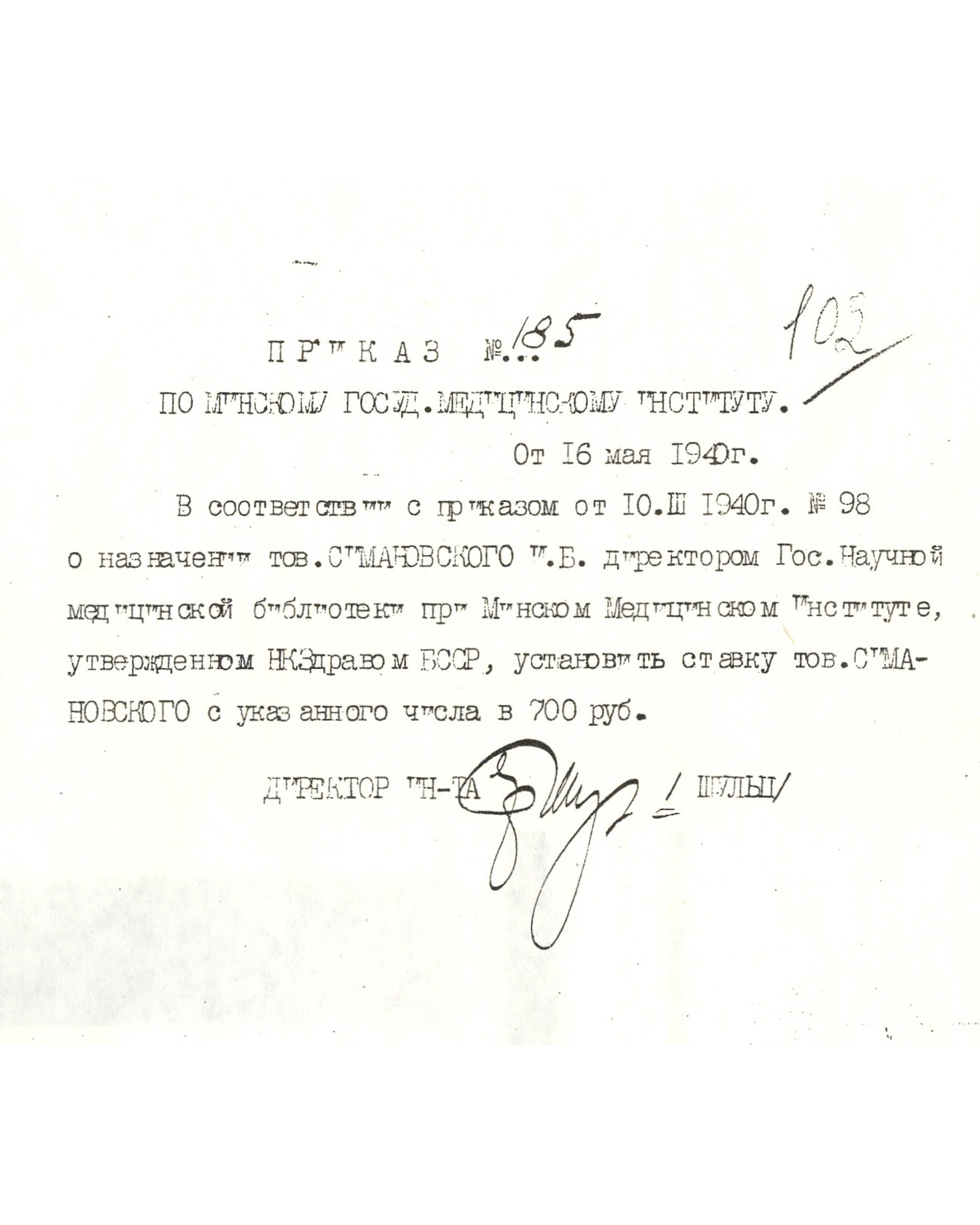
Image 1 — Order for the Minsk State Medical Institute dated May 16, 1940, No. 185, on the appointment of I.B. Simanovsky as Director of the State Scientific Medical Library
On April 6, 1940, the newspaper “Zvezda” reported on the creation of the SSML.
Thanks to the selfless work of the first empoyees, already by December its collection had grown to 15 thousand copies, and the interlibrary loan provided literature to 56 medical instructions in 34 districts of the republic.
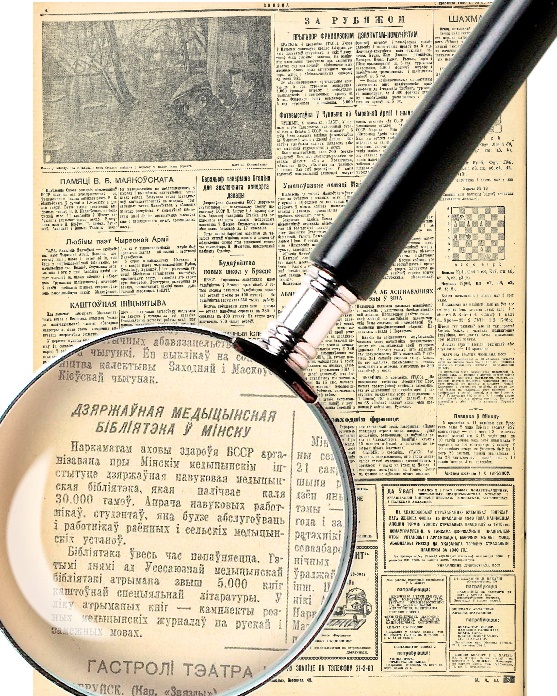
Image 2 — publication in the newspaper “Zvezda” from 6 April, 1940
Unfortunately, materials about the library’s activities in the pre-war years are very scarce. Archival documents indicate that the reading room was open to visitors daily, without days off, until 23:00. From various sources, the names of people who worked at the SSML at the time have been established: S.F. Sergeeva, R.Ya. Mekhanik, R. Sh. Rizhik, Feder, Lipnitskaya, Astrakhan.
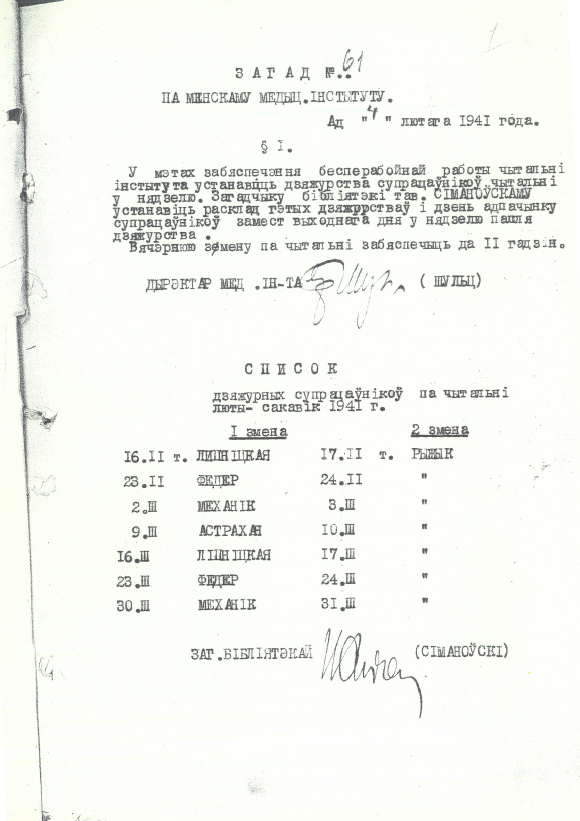
Image 3 — Order for the Minsk State Medical Institute dated February 4, 1941, No. 61, on establishing a duty roster in the library
With the beginning of the Great Patriotic War, the State Scientific Medical Library of the BSSR, like many institutions, found itself at the epicentrer of destruction. The collection, gathered by bit in the first year of work, was plundered and destroyed.
On July 24, 1944, almost immediately after the liberation of Minsk from the Nazi invaders, by a separate resolution of the Council of People’s Commissars of the BSSR, the library resumed its work on the basis of the Minsk Medical Institute, where it was located in the study library, occupying premises with an area of 18 squere meters untill 1948.
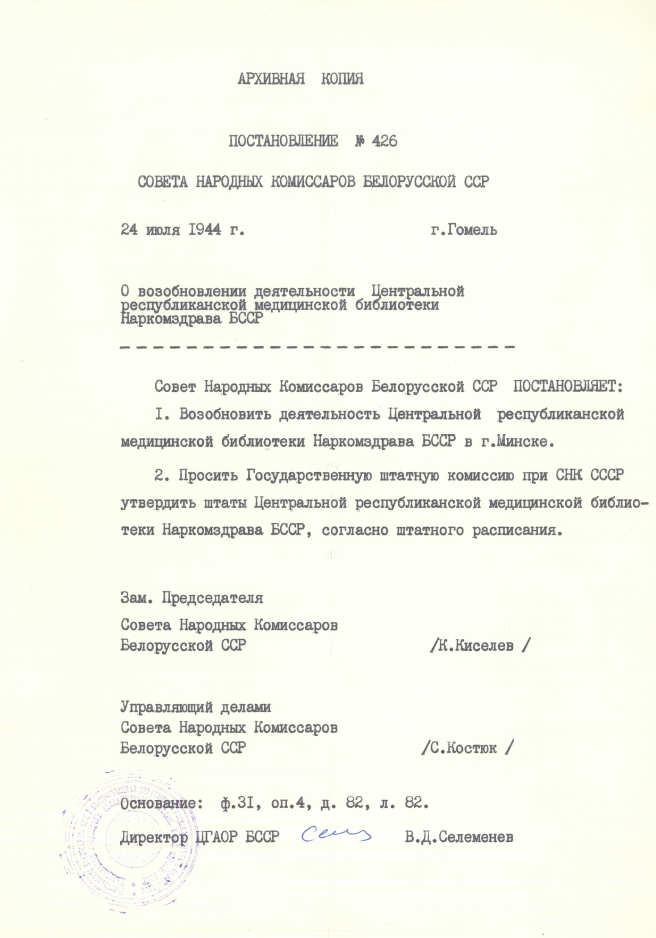
Image 4 — Resolution of the Council of People’s Commissars of the Byelorussian SSR dated July 24, 1944, “On the resumption of activities of the Central Republican Medical Library of the People’s Commissariat for Health of the BSSR
In August 1944, S.F. Sergeeva, who simultaneously headed the study library of the Minsl Medical Institute, was appointed director of the library.
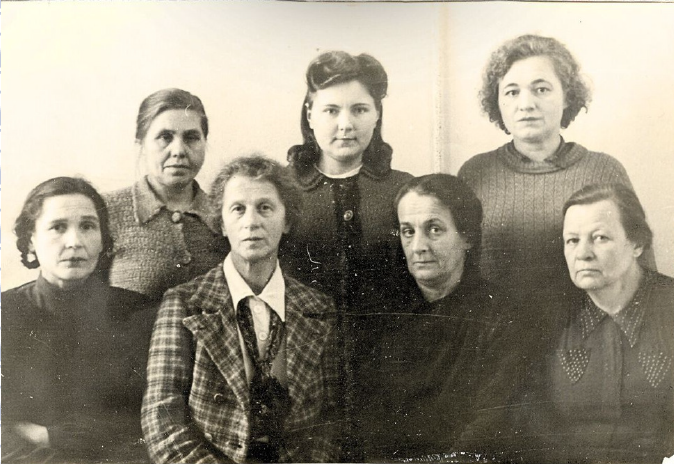
Image 5 — Employees of the library, Director S.F. Sergeeva — The second from the left in the first row
A new chapter began — the restauration of what was lost.
The library’s staff in the 1940s-1950s was 9 people. Despite such a small number and rather cramped working conditions, the volume of work they performed annually is amazing!
The main efforts of the employees were directed toward restoring the collection, processing it, and reflecting it in the library’s reference and retrieval apparatus, Books were sought i Minsk, and supplies of literature were organized from Moscow, Leningrad and other cities of the union republics. Among the patrons were well-known professors and physicians who donated their personal collections to the library’s collection. As a result, over the four post-war years, the SSML fully restored its collection quantitatively and even exceeded the pre-war level.
Simultaneously, active work was carried out to popularize the collection. About 30 book exhibitions were organized per year. Along with the formation of its own collections and serving readers, the State Scientific Medical Library actively developed methodological activities. Every year, employee business trips were carried out “for the inspection and instruction of medical libraries,”
and their activities were recorded and analyzed.
“Brining the medical book to every medical worker of the republic” was the key task that the RSML set for itself in the 1960s, and which it honorably fulfills to this day.
In the 1960s, work began on organizing non-sanitory services: 12 lending points were opened at medical and preventive institutions in the city of Minsk, and 7 collective subscriptions were opened at district hospitals of Minsk region. By 1965, the library had 4 branches.
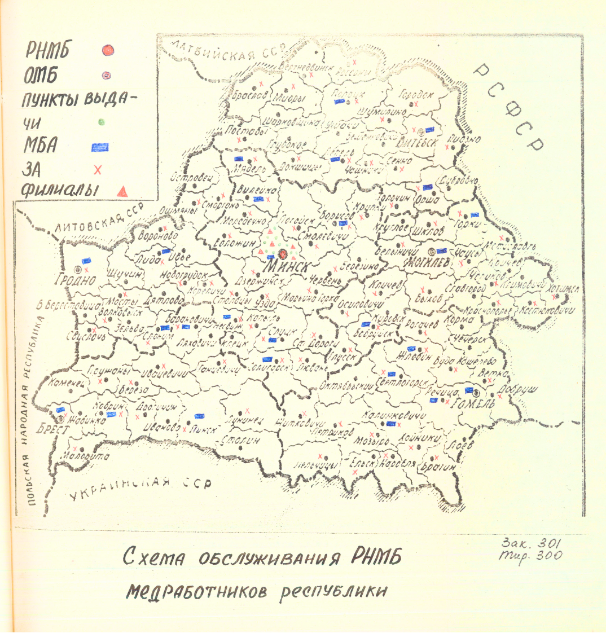
Image 6 — The sheme of service organization of the RSML in 1960s
Reader feedback is the best assessment of the library’s successes in those years. From the 1964 report: “We, the paramedical workers of the Khrodino hospital, widely use the services of the RSML. The opening of a collective subscription at the hospital gives us the opportunity to get acquainted with the latest achievenents of medical science and improve our knowledge though a tested assistant — the book. We thank the library staff for brinning the book closer to the workers of the periphery.”
In subsequent years, the system of branches of the RSML at large hospitals and research institutes in Minsk included three more unites and successfully existed for more than 30 years.
“The experience of the RSML as one of the most active medical libraries of the USSR in organizing branches was used by the ALL-Union Scientific Research Institute of Medical and Medico-Technical Information in preparing methodological recommendations ‘introduction of a branch system of information and library services for medical workers’ (Moscow, 1976)” [1, p. 50].
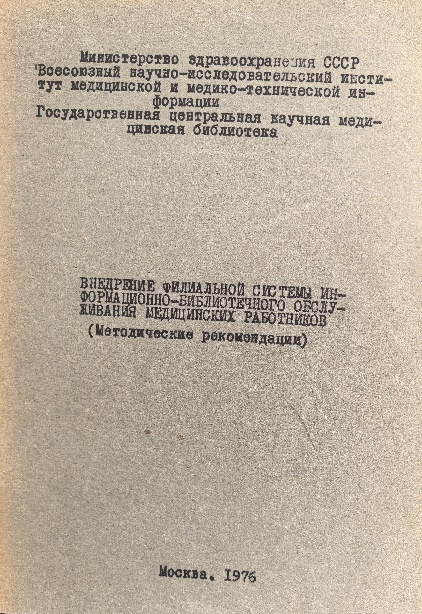
Image 7 — Guidelines ‘Implementation of the branch system of information and library services for medical professionals’ (Moscow, 1976)
In the 1960s, the system of interlibrary loan developed: the library cooperated with medical institution throughout the Soviet Union — from Riga to Tashkent.
International ties were strengthened. The RSML maintained contacts with organizations from the GDR, Poland, Czechoslovakia, Romania, and Hungary, receiving hundreds of books and journals through book exchange.
Since the 1960s, travelling exhibitions of the library for participants of medical conferences, congresses, meetings, and other similiar events became traditional. in 1963, and excursion around the RSML was held for the first time for students of the Belarusian Institute for Advanced Training of Physicians. By the way, these forms of work with potential readers are actively used in our time as well.
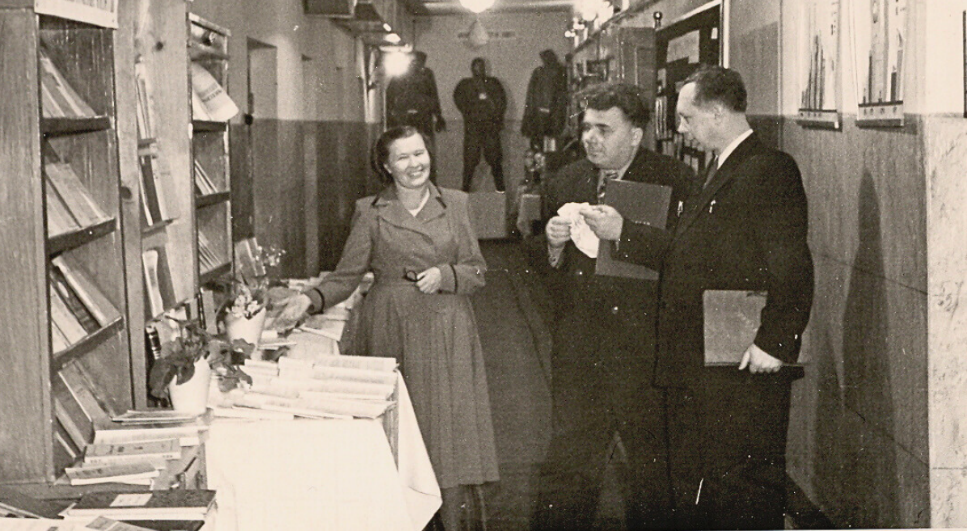
Image 8 — The literature’s exhibition of the RSML
Since the 1960s, the scientific component of the library’s activities also began, an important direction of which is the preparation of works on local history bibliography. Gradually, the RSML became the centre of national medical bibliography.
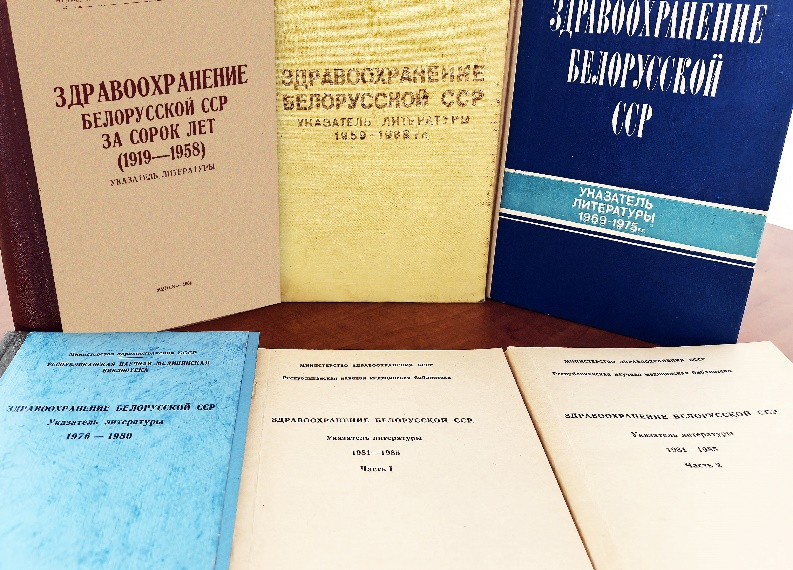
Image 9 — Bibliographic indexes of healthcare literature published from 1919 to 1985, prepared by the RSML
Year afrer year, the fund was increasing. By the end of 1960s has already been registered more 500 000 copies book and periodicals. The RSML faced an acute question of organizing the storage of this wealth of medical knowledge.
Despite the fact that in 1972 the library received the building of the Great Patriotic War invalid hospital in Borovlyany, which was subsequently reequipped as a book depository and housed 300 thousand copies of various publications, the premises were catastrophically insufficient.
The mid-1970s opened the next chapter in the history of the RepublicanScientific Medical Library.
In 1975, a Resolution of the Council of Ministers of the Byelorussian SSR was issued, according to which the institution received the status of a republican-level depository for medical information. And the following year, another epochal event took place — a move to a new four – story building, specially designed and built for the RSML on 28 Fabriciusa Street (chief architect of the project – A.A. Berezovsky). The move began at the end of December 1976, and on March 22, 1977, a grand opening took place.
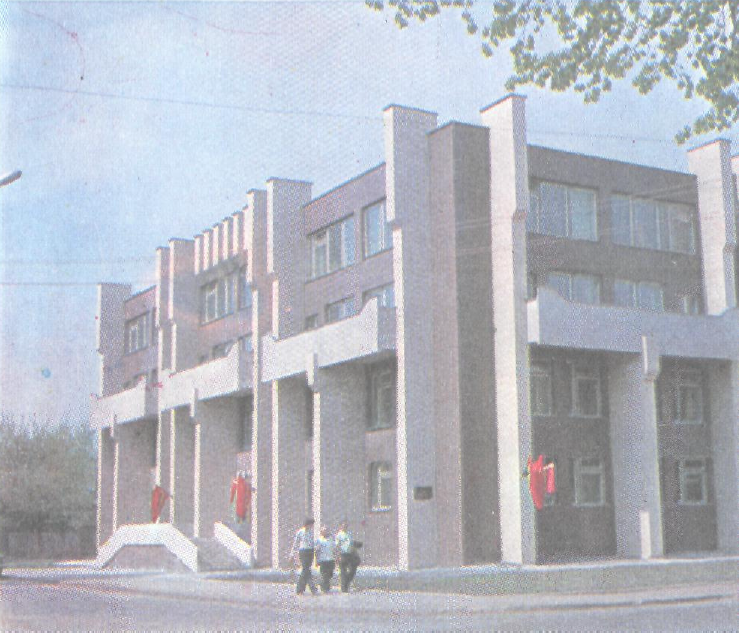
Image 10 — A new building of the RSML
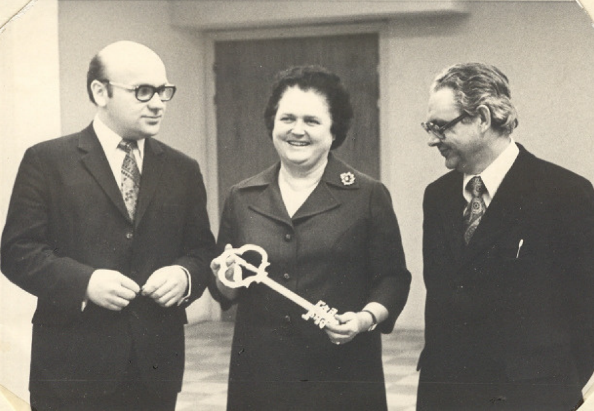
Image 11 — The opening of a new building of the RSML, 1977. In the centre — The director of the library L.N. Pogrebnaya
The move served as an impetus for improving the forms and methods of work. Reader services became differentiated. For this purpose, 5 specialized halls with 380 seats were orginized: for researchers, a general reading room, a foreign literature hall, a new literature viewing hall. By the end of the 1970s, the library’s staff consisted 0f 80 employees, half of whom had a higher library education. In the structure of the institution, 10 departments, 8 sectors, and 7 branches were allocated. All this contributed to the intensive development of all directions of its activity in subsequent decades.
Information Weeks, Information Days, and Specialist Days successfully became part of the work practice as effective methods of popularizing the collection. It is interesting that in the 1980s, at such events, in addiction to books and journals received by the collection over the previous month, information about new medicines was presented.
The importance of the library and its collection was highly valued in sociaty, as directly and indirectly evidenced by archival documents. For example, from a modern perspective, an order by the Minister of Health (!) seems unusual, by which a library reader, a doctor of the N-sky hospital, who cut out pages and diagrams from journals and books, was deprived of the right to use the RSML. The violator was reprimanded, and his supervisor was instructed to “discuss in the team the shameful misconduct of the doctor… and improve educational work among medical workers on the preservation of socialist property.” The reader’s action in the text of the order was assessed as “discrediting the title of doctor and incompatable with the title of researches: “This document is clear evidence of a very respectful and revent attitude toward the library and its resources.
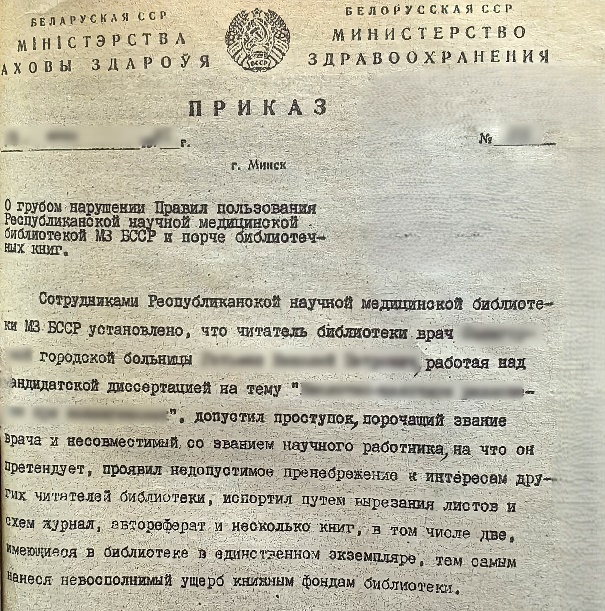
Image 12 — Excerpt from the Decree of the Minister of Health “On a gross violation of the Rules for the use of the Republican Scientific Medical Library of the Ministry of Health of the BSSR and damage to library books”
The steady development of the RSML was always facilitated by scientific research, the result of which formed the basis of management decisions. In the 1980s, scientific work was aimed both at determining the prospects for the futher activities of the institutions and at conceptual problems of library development on the scale of the entire Soviet Union.
The RSML took an active part in all-Union research such as “Prospects for the development of collections of scientific livraries”, “Rational placement and use of library resources in the country”, “Studying the request of specialists in the industry and ways to optimize their satisfaction”, “Standart time norms for the main types of work performed by employees of libraries of various types”, etc.
The 1990s again brought epochal changes to the life of the organization. Together with the whole country, it participated in the constraction of a new sovereign state. During the difficult period of the formation of the Republic of Belarus, the volume of acquisitions sharply decreased. So, if in 1990 the number of new arrivals exceeded 35 thousand copies, then in 1992 this figure barely reached 16.5 thousand copies, and in 1995 — 10.7 thousand copies. From 1992, branches began to close: in 1992 — № 5, 1993 — № 2 and № 7, 2005 — № 1, № 3 and № 6, 2006 — № 4.
Despite the financial and organizational difficulties that the library had to face in the 1990s, this time became the beginning of a new qualitative stage in its development.
Since 1991, the RSML began introducing new information technologies. For this purpose, an automation sector was organized, which, using the first five computers, solved innovative tasks for the introduction of IT into the processes of acquisition, processing, and cataloging of documents, and a little later — the organization of user services and the use of databases.
“To organize for all library users effective and fast access to the whole informational resourses of the RSML online and to the international materials of global net, primarily in medicine, healthcare and other related fields” — this was the goal the library set for itself in the second half of the 1990s and began to gradually move toward its achievement.
The RSML organized its first online presence in 1997 in the form of an internet page about the library, which by 1998 had already been transformed into a multi-page website presenting all aspects of its activities. Over time, the site was updated, acquiring not only a new design but also informational content. Evidence of how successful this online resource was and still remains is not only the annual positive dynamics of the number of its visits but also the award at the International Specialized Exhibition TIBO, received in 2011.
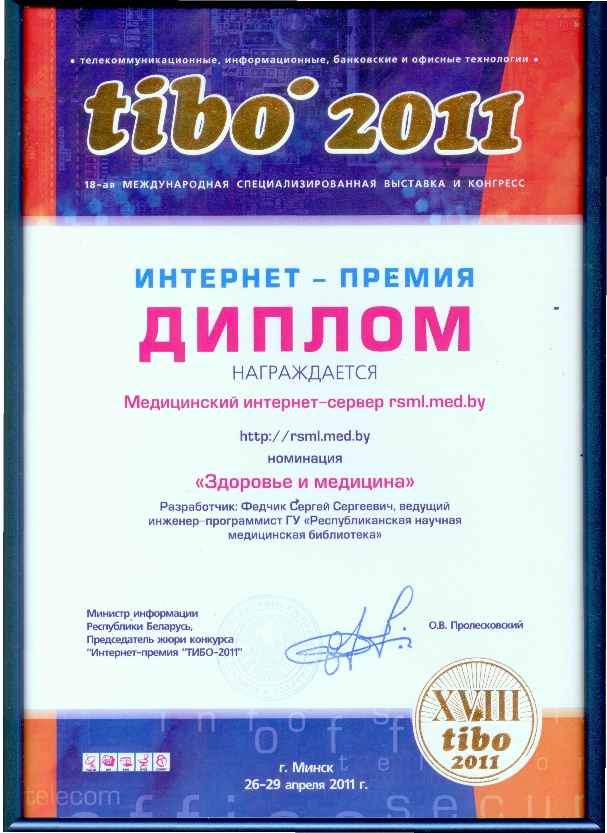
Image 13 — Diploma at the International Specialized Exhibition TIBO, 2011.
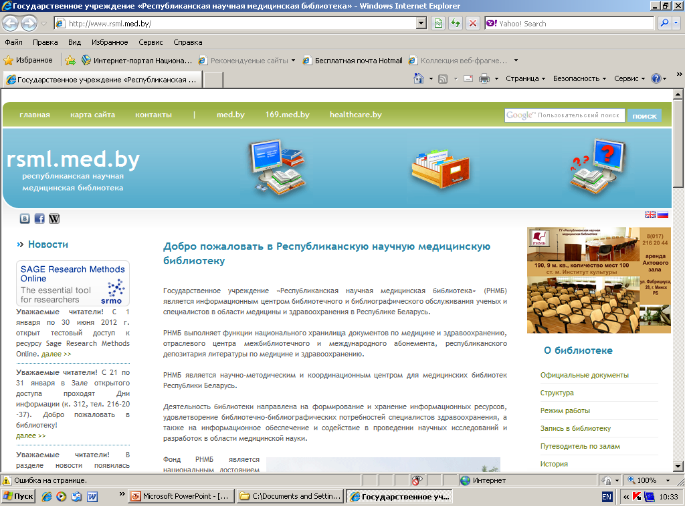
Image 14 — The interface of the RNMB website, 2011
The second half of the 1990s was a time of steady and rapid development of IT technologies: the fleet of computer equipment expanded annually, and the volume of databases increased. In 1998, a new automated library information system (ALIS) “IRBIS” was introduced at the RSML. This made it possible to comprehensively automate all library processess, from ordering and processing of acquired literature to registering users and issuing literature to them. The RSML’s experience in the field of informatization was of interest not only in our country but also abroad, as evidenced by numerous presentations by technical spcialists made by them in those years at variousscientific platforms.
The 1990s was a period of intensification of scientific and organizational activities. Along with local normative documents aimed at organizing the work of medical libraries , the RSML took an active part in the development of documents regulating the functioning of the library sector of Belarus. Thus, with its direct participation, such documents were developed as the “Concept for the Development of Library Services in the Republic of Belarus”, the Law of the Republic of Belarus “On Librarianship”, the chapter of the Belarusian Library Association, and others.
The authority of the RSML as an information and scientific center grew stronger from year to year not only in Belarus, but also far beyond its borders. Among the partners of the institution listed in reports in different years were the State Central Scientific Medical Library, the National Medical Library of the USA, the library of the Massachusetts Insitute of Technology, and various public organizations.
Since January 1995, by decision of the European Regional Office of the World Health Organization (WHO) Documentation Center in the territory of the Republic of Belarus.
In the same year, together with the editorial board of the journal “Healthcare” and the company “OPOKOM”, the library acted as a founder of the journal “Medical News”, and two years later received its first license for printing activities.
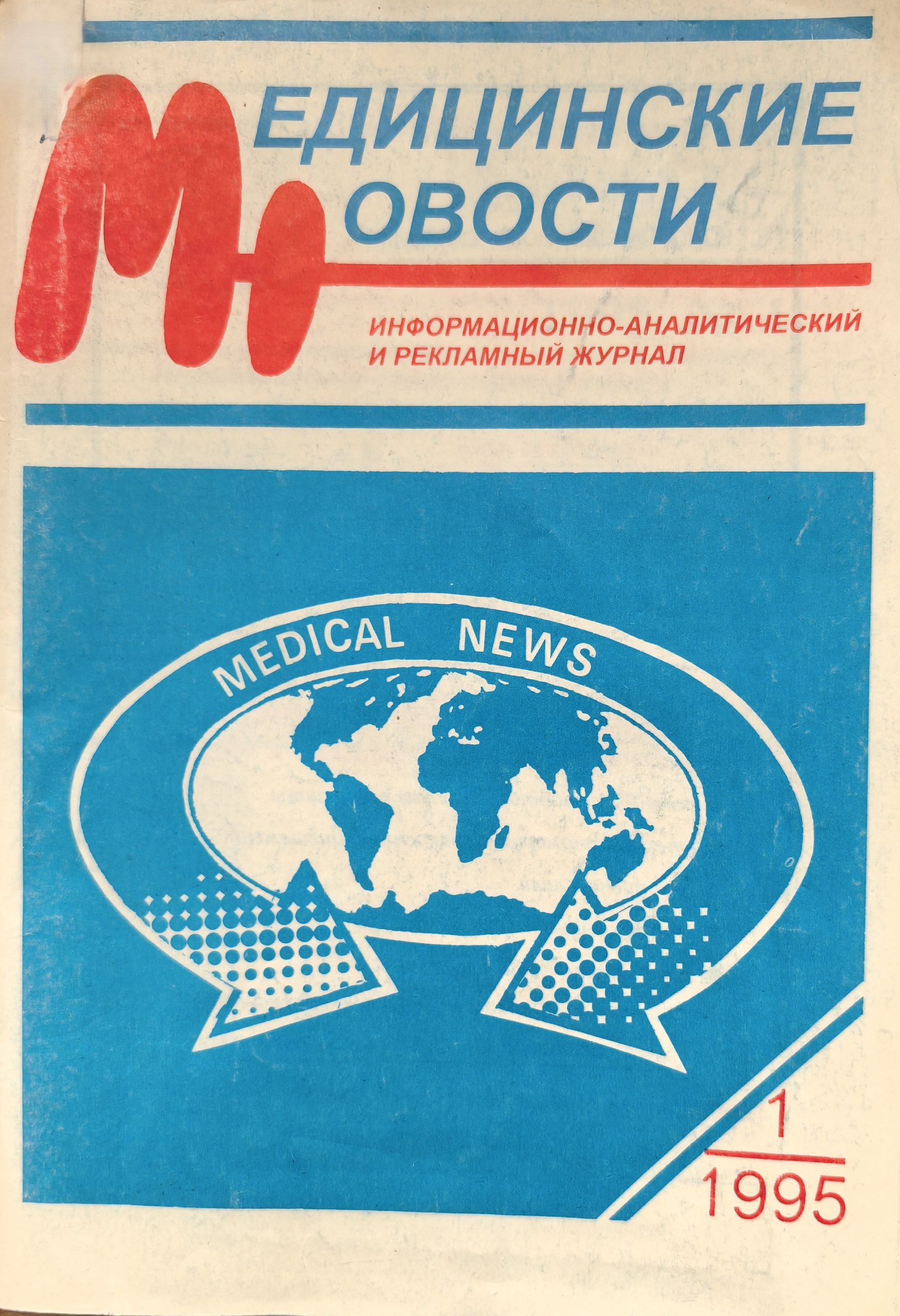
Image 15 — The first issue of the “Medical News” magazine
A new millenium has set new challengies for the RSML.
In 2001 year, scientific and informational department was created in its stucture. Its appearence became an answer to increasing needs of healthcare’s system and new forms of work. In this year the library started realization of the scientific project “Operation and Development of a Medical Scientific Information Computer Network” (MedNIX). As a part of the project, a unified scientific medical portal, MED.BY was created, which brought together the online resources of the RSML on a single platform.
The 21th century marked the beginning of the library’s publishing activities. It received the appropriate license, and the annual collections “Modern Methods of Diagnosis, Treatment and Prevention of Diseases”, “Achievements of Medical Science of Belarus”, and the information and reference catolog “Healthcare of Belarus” secured its status as a competent publisher in the medical industry of our country.
The year 2001 became the starting point for the RSML’s annual participation in the authoritative International Medical Forum “Healthcare of Belarus”.
The second five-year period of the 21th century can be called a time of global reconstructions. In 2006, a major overhaul of the building was carried out, as a result of which the facede of the library and its interior spaces underwent significant changes, and even more comfortable working conditions were created for employees and readers. An open access system was introduced, documents received protective markers, and an anti-theft system was installed.
In the same year, the Museum of the History of Medicine of Belarus , which expanded and qualitatively transformed the information content of the library, making it a unique complex that comprehensively represents the medical industry of our country.
Extra-budgetary activities developed in parallel. In 2014, a new service was introduced — monitoring periodicals to identify information about medicines. This unique service is still provided by the library to 22 domestic and foreign pharmaceutical companies.
The beginning of the second decade of the 21th century was marked by the intensive development of remote services. In 2021, a special planetary book scanner was purchased, which made it possible to quickly convert printed publications into digital format, anf just a year later, the Electronic Medical Library (EML) waas put into the operation.
A feature of the RSML’s EML is that it only displays the library’s electronic collection (today it is more than 120 thousand documents or 2.6 million pages) but also digitized publications to order from users. And in this way, readers get remote access to the entire collection, except for disserations. And this today amounts to more than 960 thousand copies of scientific publications!
In addition to its own printed and electronic information resources (EIR), the RSML annually acquires access to the electronic libraries of the Russian State Library and the Central Scientific Medical Library of the First Moscow State Medical University named after I.M. Sechenov, as well as the legal databases Consultant and Etalon. And thus, the collection of traditional documents is supplemented by thousands of scientific publications from ERIs.
To help users skillfully use this wealth of medical knowledge, the institution provides a whole range of additional services.
For a number of years, the Virtual Reference Service and Electronic Document Delivery have been successfully operating in the library. The service of Induvidual Information Dissemination (IID) is carried out, thanks to which sudscribers monthly receive free information about new arrivals on their topic of interest to their email inbox. Services are provided for searching necessary information, editing bibliographic lists, indexing, etc.
Thanks to the active introduction of modern information technologies, today almost all information resources and services of the library are avaible online anywhere in Belarus in 24/7 mode. Thus, the dream of many generations of RSML employees to “bring the medical book to every medical worker of the republic” has come true.
During its existance, the RSML has repeatedly changed its name, location, leaders, technologies, and forms of work. But one thing has always remained unchanged — the enthusiasm, dedication, and boundless devotin of its employees to their profession, to their library. It is thanks to this that today the RSML is confidently developing, offering its readers ever new ways of prompt access to medical information.